Our structure was built with local materials to integrate it into the environment.To best respect this exceptional environment, we are supplied with water by pirogue from the village of Tsandamba located 5 km away, and we use solar energy to provide you with electricity.
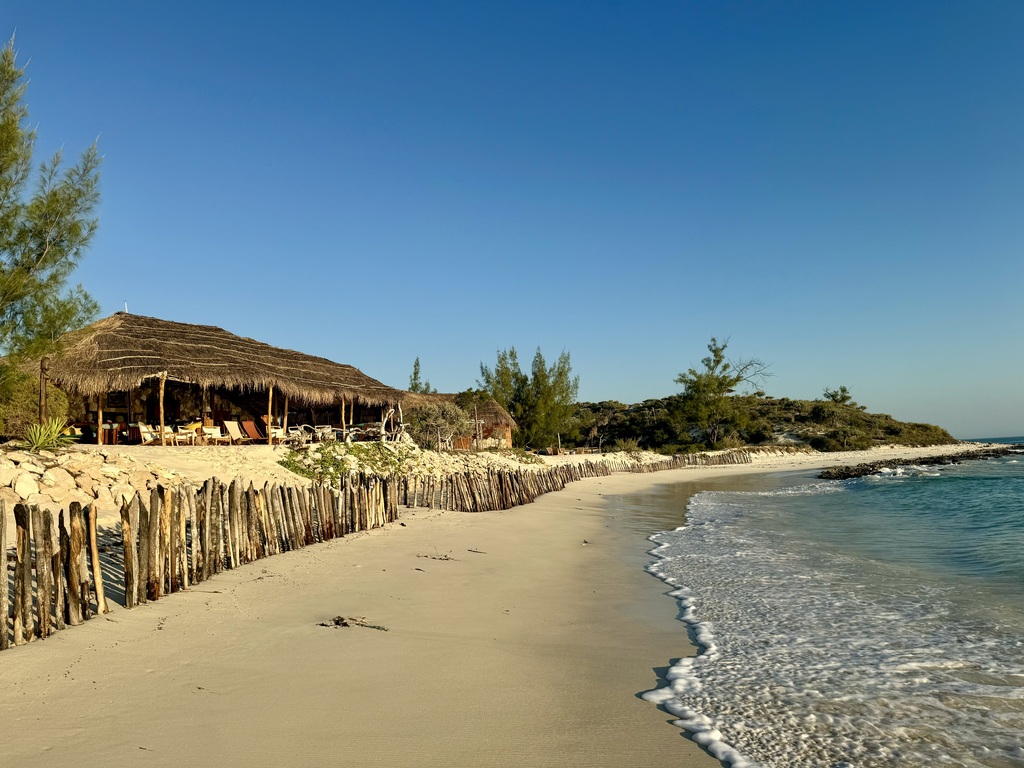
The first pleasure....the simplest....the most obvious...the most immediate...is that of swimming...on immense and deserted sandy beaches, in a clear water...at will...
Glide silently over turquoise water, between sandbanks, near breakers thanks to traditional outrigger canoes...
The Vezo canoeists will guide you with fins, mask and snorkel above the reef with flourishing coral cover, or will take you to visit the neighboring fishing villages.
Restaurant, living room and library with direct views of the bay to better enjoy the sunsets and the emerald and turquoise colors of the sea with WIFI connection.
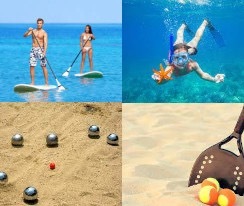
Various activities are possible :
- Snorkeling accompanied by Vezo fishermen on their traditional pirogue
- Paddle
- Volley-ball, beach-tennis, pétanque.
But also :
- Reading
- Board games or card games
For walking enthusiasts:
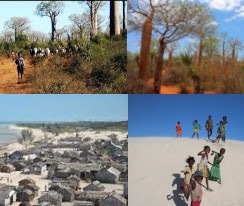
- Walk to the village of Tsiandamba (5km South), where you can admire the large sand dunes.
- Walk to the village of Ankaramifoka (3km North) to immerse yourself in the local life of fishermen.
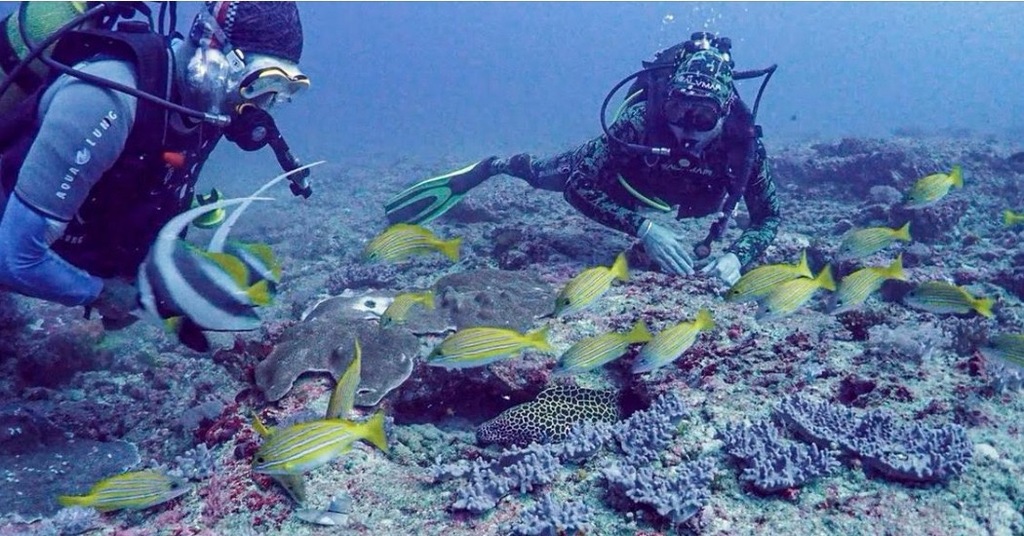
On the other side of the coral reef lies a magnificent playground for scuba diving.
A large underwater plateau between twelve and thirty meters deep offers multiple sites where you can observe abundant and well-preserved faune and flora. Groupers, barracudas, napoleons, snappers, jacks, marlins, rays and tuna of all kinds, a breathtaking burst of life. Whale watching and diving are provided by Madagascar Diving de Frédéric Lucas, ** CMAS Divemaster, by reservation and depending on weather conditions.
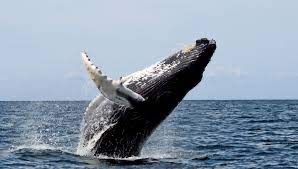
From the end of June to the mid-September, humpback whales sail along the coast of Salary during their long annual migration: an opportunity for us to meet them and witness sumptuous shows. They come to enjoy our warm waters (even if they seem cold to us, between 21°C and 23°C! At home, in the Antartic, they are icy, do not invite somersaults and would kill newborn calves) to reproduce and give birth. Season of both mating and births... These long sea trips also allow us to meet other marine mammals: southern right wales, dolphins, pilot whales and even (but rarely) orcas!